
April 29, 2026
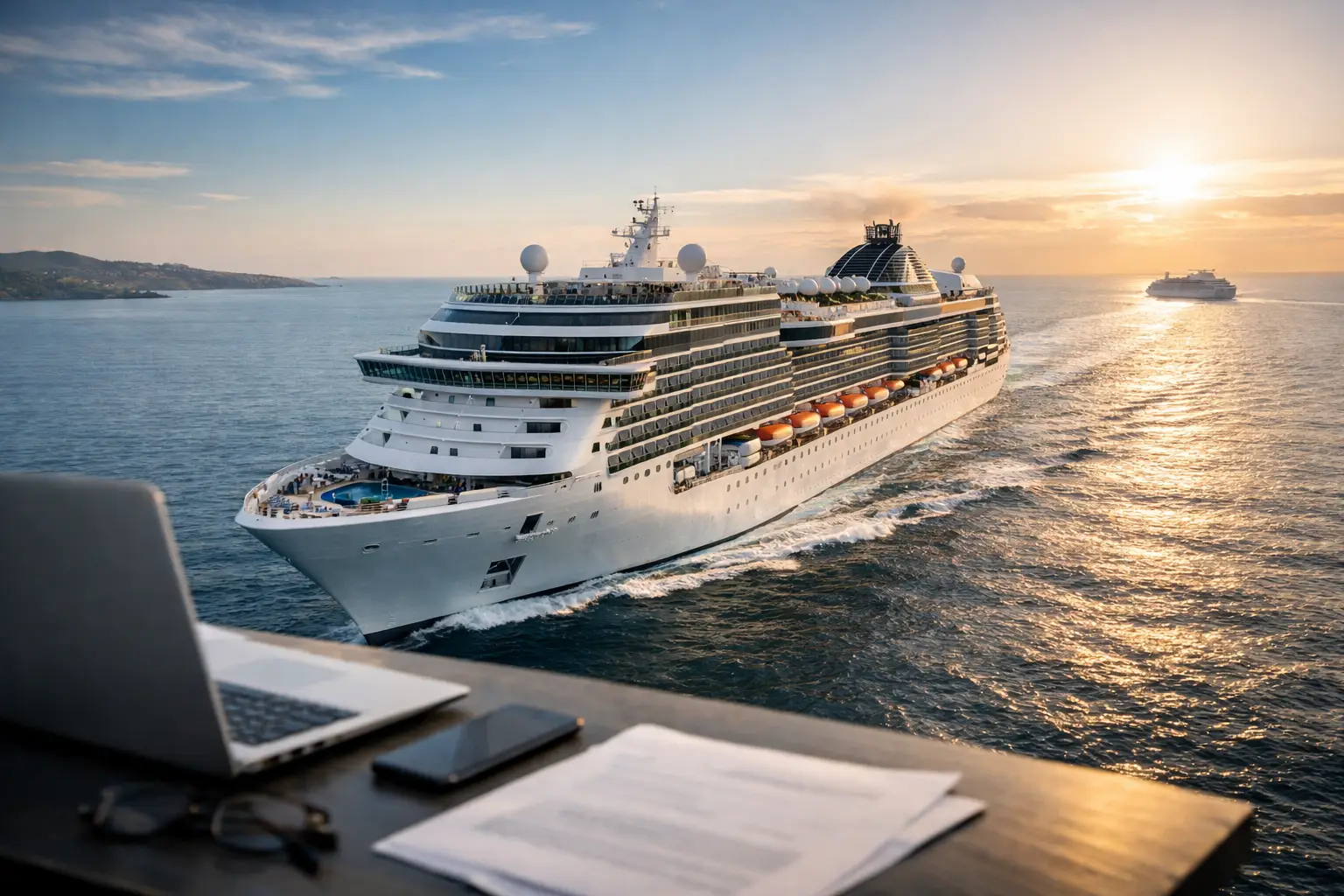
A ship reroutes because of weather, a private destination changes its booking rules, or a cruise line quietly updates drink package terms - and suddenly the details of your trip look a little different. That is why cruise news today matters more than many travelers expect. The useful part is not the headline itself. It is knowing which updates could affect your sailing, your spending, and the decisions you make before embarkation.
For cruise travelers, not all news carries the same weight. Some stories are interesting but have no real effect on your trip. Others can change arrival times, shore plans, onboard costs, or even whether a ship feels like the right fit. The challenge is separating industry noise from traveler-relevant information.
What cruise news today really means for travelers
Cruise coverage tends to blend several different kinds of updates into one stream. There is industry business news, like fleet expansion or executive changes. There are ship-level updates, such as refurbishments, technical issues, or entertainment changes. Then there are passenger-facing updates, including itinerary adjustments, policy changes, port restrictions, pricing moves, and destination developments.
If you are planning a cruise, the third category usually matters most. A new ship order might be interesting, but a visa rule change, a delayed embarkation window, or a port closure can have a direct effect on your vacation. That is the filter smart travelers need to use.
This is also where context matters. A weather disruption in the Caribbean may be a major issue for this week’s sailings and completely irrelevant for an Alaska cruise six months from now. A dining policy change on one brand may matter if you are booked there, but not if you are comparing lines for a future trip. Good cruise coverage should help travelers understand both the update and its likely impact.
The cruise news today updates worth watching
Some categories of cruise news deserve regular attention because they can affect planning in practical ways.
Itinerary and port changes
These are often the most important updates for booked passengers. Ports can be skipped because of weather, congestion, labor action, local restrictions, or operational issues. In some cases, the ship still sails on time and simply substitutes a different stop. In others, sea days increase, arrival times shift, or shore excursions are canceled.
The trade-off is that changes are not always bad. A revised route can still produce a good vacation, especially if the cruise line handles communication well and adjusts excursion logistics quickly. But for travelers with independent tours, tight flights, or specific destination priorities, itinerary news should be watched closely.
Policy and pricing changes
Cruise lines regularly adjust what is included, what costs extra, and how bookings can be changed. That can involve beverage packages, Wi-Fi pricing, specialty dining credits, gratuities, cancellation terms, or loyalty program benefits.
These updates matter because they often affect the real cost of the trip more than the advertised fare. A sailing that looked like a strong value two months ago may be less attractive after add-on prices rise. On the other hand, a policy change can sometimes work in your favor if it adds flexibility or improves inclusions.
Ship updates and service changes
Refurbishments, delayed launches, propulsion issues, and onboard venue changes all fall into this category. For travelers booked on a specific ship, this is where cruise news becomes personal.
A delayed dry dock could mean some refreshed spaces are not ready yet. A technical issue might lead to reduced speed and itinerary changes. A new dining venue could improve the onboard experience, but if your booking was based on a different feature set, the change may be less exciting than it sounds.
Destination and private island developments
Private cruise destinations now play a larger role in itinerary marketing, especially in the Caribbean and Bahamas. When a line expands a beach club area, changes berth capacity, or updates reservation systems, it can affect crowding, shore planning, and guest expectations.
The same applies to heavily visited ports. Local tourism rules, transportation changes, environmental restrictions, and tax increases can shape the day ashore even when the ship itself stays the same.
How to tell if an update affects your trip
The fastest way to evaluate cruise news is to ask four simple questions. Is this about your cruise line? Is it about your ship or itinerary? Does it affect timing, cost, or access? And is it temporary or likely to remain in place by the time you sail?
That last point is easy to miss. Cruise news moves quickly, but not every development has staying power. A one-week weather disruption is not the same as a season-long redeployment. A temporary boarding delay is different from a structural port limitation. Travelers who overreact to short-term disruptions can make rushed decisions that do not improve the trip.
At the same time, some updates deserve immediate attention. If a passport or travel authorization rule changes, waiting too long can create real problems. If your ship has a significant mechanical issue or prolonged deployment adjustment, it may be worth reviewing rebooking options while they are still manageable.
Why cruise headlines can be misleading
Cruise news often gets framed around the most dramatic angle because drama draws clicks. A skipped port becomes a disaster story. A passenger dispute becomes evidence of broad policy failure. A routine health protocol update gets treated like a major industry shift.
That does not mean the reporting is false. It means the framing may not match the traveler impact. A balanced read looks beyond the headline and asks whether the update changes anything meaningful for passengers.
This is especially true with stories about onboard incidents. They can be serious, and they can reveal weaknesses in communication or operations. But a single event does not always reflect the broader guest experience across a ship, a fleet, or an itinerary type. Travelers need specifics, not just emotion.
What experienced cruisers watch first
Repeat cruisers usually pay closest attention to the details that create friction. They watch embarkation procedures, app changes, dining reservation rules, tender port reliability, and final payment deadlines. They know these smaller operational details often shape the trip more than splashy announcements.
Newer cruisers tend to focus on ship features and destination excitement, which makes sense early in the planning cycle. But as sailing gets closer, practical updates become more valuable. Knowing whether a terminal has changed, whether check-in windows are tighter, or whether a shore excursion plan needs a backup can save a lot of stress.
That is one reason a more focused, traveler-first approach to cruise information matters. A platform like VoyagePro is useful when it helps turn scattered updates into something clearer and easier to act on.
Using cruise news today to make better booking decisions
Cruise news is not only for people already booked. It can also improve how you choose your next sailing.
If one region keeps dealing with seasonal disruptions during your preferred travel month, a different itinerary may offer a smoother experience. If a cruise line repeatedly changes package pricing or trims inclusions, comparing total trip cost becomes more important than comparing fare alone. If a ship is heading into refurbishment shortly after your possible sailing date, you may decide whether getting the refreshed version matters enough to wait.
This is where trade-offs come into play. Booking early gives you more cabin choice and often better pricing, but late-breaking updates can still alter the product. Waiting allows more clarity, but it can mean fewer options and higher fares. There is no perfect timing for every traveler. The right move depends on your flexibility, priorities, and tolerance for change.
A smarter way to follow cruise updates
The best approach is simple. Track the news categories that affect passengers directly, pay extra attention once you are inside final planning range, and avoid letting every headline reshape your expectations. Not every update needs action. Some just need awareness.
Cruise travel runs on moving parts - ships, ports, weather, local regulations, and company policies all shift over time. Travelers do better when they expect some change and know how to judge what matters. If a piece of cruise news helps you prepare, budget, or adjust your plans, it is useful. If it only creates urgency without offering relevance, it is probably just noise.
The real advantage is not reading more headlines. It is getting clearer about which ones deserve your attention before they become your problem.