
April 30, 2026
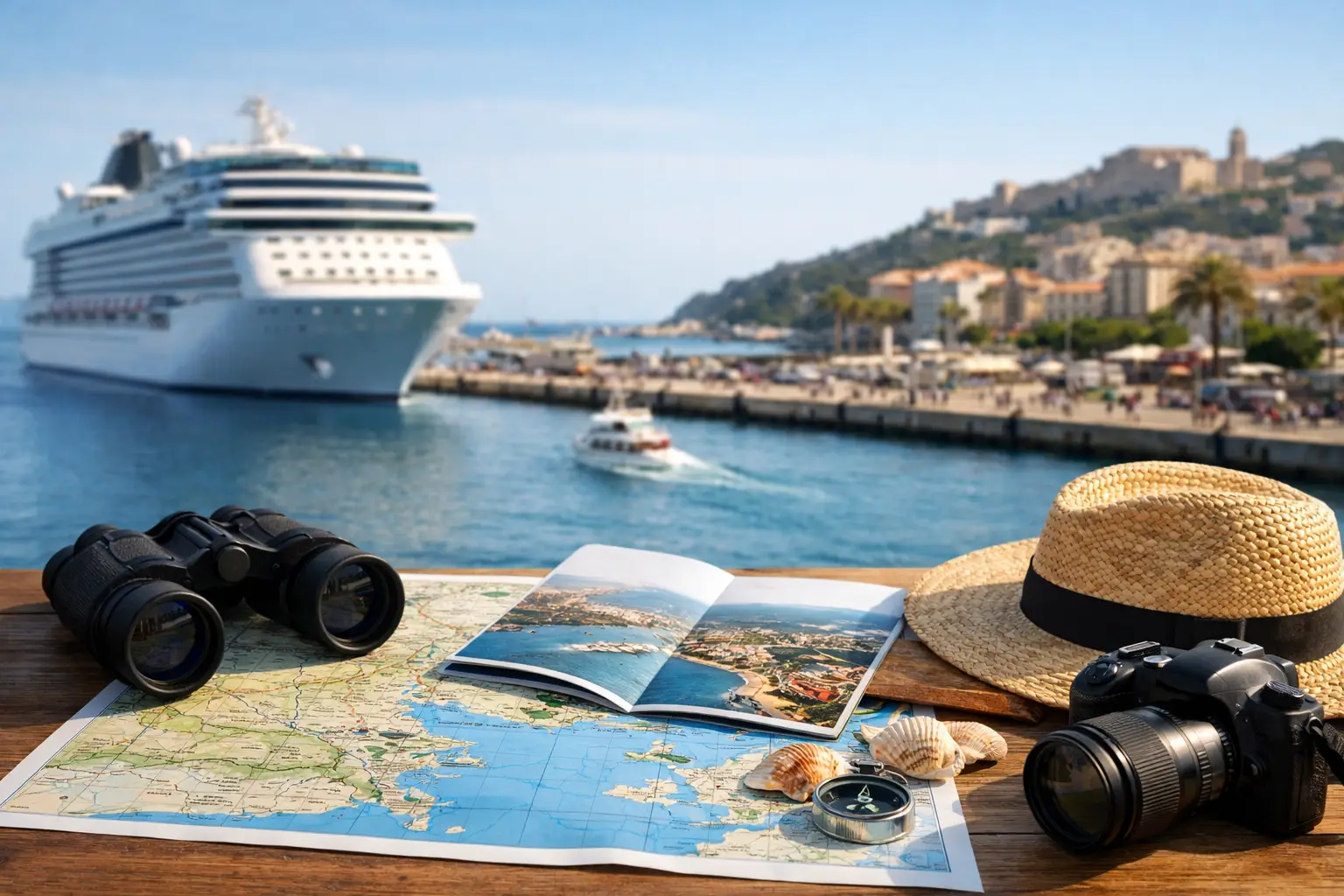
A port day can go sideways fast. The ship docks later than expected, the taxi line is longer than anyone said, the beach you picked is 40 minutes away, and suddenly your "easy day ashore" feels rushed. That is why good cruise port guides matter. They should do more than name a few attractions. They should help you make better decisions with the time you actually have.
For cruise travelers, ports are where planning pays off the most. Ships can change arrival times, all-aboard deadlines are strict, and not every destination works the same way. A useful port guide is less about selling a place and more about helping you understand how that port functions for cruise passengers. That difference matters, especially if you want less guesswork and more control over your day.
What cruise port guides should tell you first
The best cruise port guides start with the basics that shape every other choice. Can you walk off the ship and reach town on foot, or do you need a shuttle, taxi, or water transport? Is the port close to the main sights, or are you docking in an industrial area with little around it? Those details are not glamorous, but they are often more important than a list of top things to do.
Timing is another big one. A port with a compact historic center might be ideal for a short call, while a beach club 50 minutes away may only make sense if you have a long day in port and a buffer for getting back. Good guides make that clear early. They do not assume every traveler has the same schedule, budget, or energy level.
A strong guide should also explain the port experience itself. Some terminals are modern and easy to navigate. Others involve tenders, long piers, or transportation bottlenecks. If you have mobility concerns, kids in tow, or just do not want unnecessary stress, these details can shape your plans more than the destination headline.
A practical way to read cruise port guides
It helps to read a port guide backward from your real goal. Start by asking what kind of day you want. Do you want a low-effort walkable day, a structured excursion, a beach escape, or a local food stop and some sightseeing? Once that is clear, the guide becomes much easier to use.
For example, if your priority is a relaxed day, the most useful information is not every museum in town. It is whether the port area is pleasant, whether beaches are nearby, how easy transportation is, and how much time you need to get back comfortably. If your priority is culture or history, you need to know whether key sites are realistically reachable within your port window.
This is where many guides fall short. They tell you what exists but not what fits. Cruise travelers do not need a destination encyclopedia on port day. They need context. They need to know what works well for a half day, what is better booked through the cruise line, and what is realistic to do independently.
The details that separate a helpful guide from a generic one
A generic destination article might describe a port city beautifully and still be almost useless for cruisers. Cruise-specific planning requires a different filter.
Walkability is one of the biggest factors. Some ports, like parts of Bermuda or certain Mediterranean calls, reward travelers who are happy to explore on foot or use simple public transit. Others almost require a taxi plan. A guide that does not clearly state this leaves too much to chance.
Transportation is the next layer. Travelers need to know whether taxis are easy to find, whether ride-share is common, whether local buses are practical, and whether transportation pricing is straightforward or prone to negotiation. None of this needs to be dramatic, but it should be honest. A port can be beautiful and still be logistically annoying.
Safety also needs to be handled well. That does not mean fear-based writing. It means useful advice. Are there common tourist scams near the terminal? Is it generally fine to explore independently in the main areas? Are there practical precautions around beaches, ATMs, or unofficial transport? Calm, specific guidance is more useful than broad warnings.
Then there is the return-to-ship factor. This is where cruise planning is different from regular travel. Missing a train on a city break is annoying. Missing the ship is a much bigger problem. Good cruise port guides help travelers build in margin. They point out when distance, traffic, ferry schedules, or tender timing make a plan riskier than it looks.
Why "best things to do" is not enough
The phrase sounds useful, but on its own it can be misleading. The best thing to do in a port may not be the best thing for your call time, your group, or the day you want to have.
A family with young kids may need close, simple options with reliable restrooms and minimal transit. A couple on a repeat sailing might want a local lunch spot and a scenic walk instead of the biggest attraction. First-time cruisers may prefer an organized excursion in a port with complicated logistics, while experienced travelers may be perfectly comfortable doing it on their own.
That is why strong port guides frame options by traveler type and time commitment. A beach day, a town day, and a sightseeing day are not interchangeable. They use different transportation, cost different amounts, and carry different levels of time risk.
How to use cruise port guides before you sail
The smartest time to read cruise port guides is not the night before your excursion booking window closes. It is earlier, when you still have room to compare options and decide where to spend money.
Start with your itinerary and separate ports into three buckets: ports where you definitely want a structured plan, ports where a flexible independent day makes sense, and ports where you are happy to keep things light. That simple step prevents overbooking and helps you focus your energy where planning matters most.
Then look for the decision points in each port. Is the key choice beach versus city? Independent transit versus ship tour? Staying near the terminal versus going farther for a better experience? When a guide makes those trade-offs clear, your planning gets easier fast.
It also helps to match your plan to the port window, not just the destination. A seven-hour stop and a ten-hour stop can create completely different shore days in the same place. Weather season matters too. Heat, rain, hurricane disruptions, and rough tender conditions can all change what is realistic.
For travelers who want a cleaner planning process, this is where a cruise-focused platform can make a real difference. VoyagePro is built around that kind of practical clarity - not just where a ship is going, but what helps passengers use that information well.
Common mistakes cruise travelers make with port research
One common mistake is assuming the port name equals the experience. In reality, the place where the ship docks may be far from the attraction everyone talks about. Another is relying on broad destination advice that ignores cruise timing. A restaurant recommendation can be excellent and still make no sense if it requires a long transfer and a tight return.
Travelers also underestimate friction. Long piers, immigration lines, tender queues, and traffic can quietly erase a lot of your day. Good guides account for that. They respect the difference between a theoretical plan and a smooth one.
Another issue is overplanning every stop. Not every port needs a major excursion. Sometimes the best use of a guide is realizing a simple plan is the better plan. A walkable waterfront, one key site, and plenty of time to get back can beat a rushed checklist every time.
What experienced cruisers look for in port guides
Repeat cruisers usually stop caring about big attraction lists first. They want efficiency. They want to know what changed, what is easy, what is worth the effort, and what is not.
That often means more attention to port flow than destination hype. Where does the shuttle drop off? Is there a reliable beach close by? Is the town pleasant enough to explore without an agenda? Are independent taxi rates reasonable? Can you comfortably do your own thing without burning time on logistics?
Newer cruisers need some of that too, even if they do not realize it yet. The most useful guide is often the one that lowers uncertainty. When travelers know how the port works, they make better choices and enjoy the destination more.
Cruise travel rewards preparation, but only if the information is actually built for cruise passengers. The best cruise port guides do not just tell you what is there. They tell you what works, what to watch for, and how to shape a port day that fits your time, budget, and travel style. That kind of clarity turns a busy itinerary into a better trip, one stop at a time.