Marseille Fos Port
Official port source for Marseille cruise facilities and passenger context.


Cruise planning
Use the timetable to see upcoming cruise ship calls, busy-day signals, ship counts, and port context alongside the guide, map, weather, and readiness tools.
Schedule note
Port schedules can change because of weather, berth availability, itinerary updates, and operational decisions. Verify important times with your cruise line or the port authority before travel.
Country, code, and on-shore essentials.
France
FRMRS
43.296, 5.370
Hotel search loads here when you reach this section.
VoyagePro may earn a commission if you book through Expedia, at no extra cost to you.


Marseille cruise calls normally use port cruise facilities away from the old port and city center.
Before going ashore, confirm the berth or tender point, local time, all-aboard deadline, and the meeting location for any independently booked transport or tour.
Usually docks
Shuttle recommended
Independent visits are practical if transport from the cruise terminal is planned.
This port works best when you confirm the exact arrival point, choose one coherent plan, and protect the return to the ship with a comfortable time buffer.
Best for
Needs extra planning when
This section draws on information from Marseille Fos Port and Marseille Tourism.
Confirm the actual berth first—local access can change substantially between terminals.

Most large ships use Marseille Provence Cruise Terminal berths at Môle Léon Gourret, north of the city center; smaller ships can occasionally use a Joliette-area berth. Confirm the terminal because the transfer plan differs substantially.

The main large-ship terminals are roughly 8–10 km from the Vieux-Port, normally 20–30 minutes by cruise shuttle, taxi, or private transfer depending on traffic. Joliette is closer and has metro and tram access; walking from the industrial cruise terminal is not practical.
Port, cruise-line, or local shuttle arrangements vary by terminal and sailing.
Taxi and private transfer are practical for central Marseille and airport moves.
Marseille Provence Airport transfers require a vehicle or arranged transfer.
This section draws on information from Marseille Fos Port and Marseille Tourism.
A concise summary of useful details found in port, municipal, transport, terminal, and tourism material.
Marseille Fos Port
Official port source for Marseille cruise facilities and passenger context.
Marseille Tourism
Official visitor source for central Marseille areas and attractions.
This section draws on information from Marseille Fos Port and Marseille Tourism.
Start with the usable time you have ashore, then leave a comfortable return margin.
Quick call
Keep the day close to the port and choose one or two reliable nearby stops.
Half day
Vieux-Port, Le Panier, Notre-Dame de la Garde, and Aix-en-Provence transfers are common planning points. The main large-ship terminals are roughly 8–10 km from the Vieux-Port, normally 20–30 minutes by cruise shuttle, taxi, or private transfer depending on traffic. Joliette is closer and has metro and tram access; walking from the industrial cruise terminal is not practical.
Long call
Vieux-Port, Le Panier, Notre-Dame de la Garde, and Aix-en-Provence transfers are common planning points. Keep the ship's all-aboard time as a hard deadline and allow extra time for weather, traffic, queues, security, or tender operations.
This section draws on information from Marseille Fos Port and Marseille Tourism.
Confirm terminal, shuttle, and accessible pickup details before arrival.
This section draws on information from Marseille Fos Port and Marseille Tourism.
Keep the ship's all-aboard time as a hard deadline and allow extra time for weather, traffic, queues, security, or tender operations.
This section draws on information from Marseille Fos Port and Marseille Tourism.
These answers use the reviewed operational fields above; check the linked source when a detail affects a booking or transfer.
Most large ships use Marseille Provence Cruise Terminal berths at Môle Léon Gourret, north of the city center; smaller ships can occasionally use a Joliette-area berth. Confirm the terminal because the transfer plan differs substantially.
The main large-ship terminals are roughly 8–10 km from the Vieux-Port, normally 20–30 minutes by cruise shuttle, taxi, or private transfer depending on traffic. Joliette is closer and has metro and tram access; walking from the industrial cruise terminal is not practical.
Port, cruise-line, or local shuttle arrangements vary by terminal and sailing. Taxi and private transfer are practical for central Marseille and airport moves.
Independent visits are practical if transport from the cruise terminal is planned.
Marseille Provence Airport transfers require a vehicle or arranged transfer.
This section draws on information from Marseille Fos Port and Marseille Tourism.
Guide review and sources
Operational details can change by berth, weather, and ship call. Confirm important arrangements before travel.
Choose a few places that fit your time ashore, then check access and transport before setting out.
The main large-ship terminals are roughly 8–10 km from the Vieux-Port, normally 20–30 minutes by cruise shuttle, taxi, or private transfer depending on traffic. Joliette is closer and has metro and tram access; walking from the industrial cruise terminal is not practical.
Arrival location reference

Religious landmark
A mapped religious landmark to consider for a port day in Marseille.
A mapped religious landmark to consider for a port day in Marseille. Check current access, opening hours, admission requirements, and reservations before setting out.
This is near the destination reference, but the practical walking route still depends on the assigned berth or tender landing.
Near the destination reference; confirm the walking route

Local landmark
A mapped local landmark to consider for a port day in Marseille.
A mapped local landmark to consider for a port day in Marseille. Check current access, opening hours, admission requirements, and reservations before setting out.
This is near the destination reference, but the practical walking route still depends on the assigned berth or tender landing.
Near the destination reference; confirm the walking route

Local landmark
A source-backed option to consider for a port day in Marseille.
A source-backed option to consider for a port day in Marseille. Check current access, opening hours, admission requirements, and reservations before setting out.
This is near the destination reference, but the practical walking route still depends on the assigned berth or tender landing.
Near the destination reference; confirm the walking route
Reviewed 2026-07-25. Location placement, transport, and attraction information retain separate sources so each can be checked and updated independently.
Choose an upcoming call and ship to turn the published schedule into a practical planning window.
Choose a call date
Choose your ship

Your selected call
Arrival
8:00am
Departure
6:00pm
Scheduled window
10h
Planning return buffer
Count back from the published departure time.
Planning checkpoint: 4:30pm
This is a personal planning checkpoint, not the ship's official all-aboard time. Always follow the time and instructions issued onboard.
Guide match for this window
A longer outing may fit, but protect the return journey from weather, traffic, queues, and tender delays.
Dates, ships, and times come from the currently published cruise-call records. Schedules can change, and passenger totals represent available ship-capacity data rather than a forecast of people going ashore.
Since being designated a European Capital of Culture for 2013, with an estimated €660 million of funding in the bargain, Marseille has been in the throes of an extraordinary transformation, with no fewer than five major new arts centers, a beautifully refurbished port, revitalized neighborhoods, and a slew of new shops and restaurants. Once the underdog, this time-burnished city is now welcoming an influx of weekend tourists who have colonized entire neighborhoods and transformed them into elegant pieds-à-terre (or should we say, mer). The second-largest city in France, Marseille is one of Europe's most vibrant destinations. Feisty and fond of broad gestures, it is also as complicated and as cosmopolitan now as it was when a band of Phoenician Greeks first sailed into the harbor that is today's Vieux Port in 600 BC.
Legend has it that on that same day a local chieftain's daughter, Gyptis, needed to choose a husband, and her wandering eyes settled on the Greeks' handsome commander Protis. Her dowry brought land near the mouth of the Rhône, where the Greeks founded Massalia, the most important Continental shipping port in antiquity. The port flourished for some 500 years as a typical Greek city, enjoying the full flush of classical culture, its gods, its democratic political system, its sports and theater, and its naval prowess. Caesar changed all that, besieging the city in 49 BC and seizing most of its colonies.
In 1214 Marseille was seized again, this time by Charles d'Anjou, and was later annexed to France by Henri IV in 1481, but it was not until Louis XIV took the throne that the biggest transformations of the port began; he pulled down the city walls in 1666 and expanded the port to the Rive Neuve (New Riverbank). The city was devastated by plague in 1720, losing more than half its population. By the time of the Revolution, Marseille was on the rebound once again, with industries of soap manufacturing and oil processing flourishing, encouraging a wave of immigration from Provence and Italy. With the opening of the Suez Canal in 1869, Marseille became the greatest boomtown in 19th-century Europe. With a large influx of immigrants from areas as exotic as Tangiers, the city quickly acquired the multicultural population it maintains to this day.
Keep exploring
 eSIM for travellers
Use a GigSky travel eSIM for maps, messaging, and travel updates ashore. Choose a plan that covers the countries you will visit.
Land plans do not include at-sea coverage. Check destination coverage and phone compatibility before buying.
VoyagePro may earn a commission if you buy through this link, at no extra cost to you.
Explore tour options for your port day. Check the meeting point and return time against your ship’s schedule before booking.
Excursion partner

Independent shore excursions
Select any tour card to view current details, availability, and booking on the Shore Excursions Group website.

Explore Aix-en-Provence, the birthplace of famed artist Paul Cezanne, from the popular Cours Mirabeau to the countryside where Cezanne crafted his iconic masterpieces.

Spend the day in the City of the Popes on this interesting tour of Avignon. Admire the Pope's Palace and partake in a delicious wine tasting.
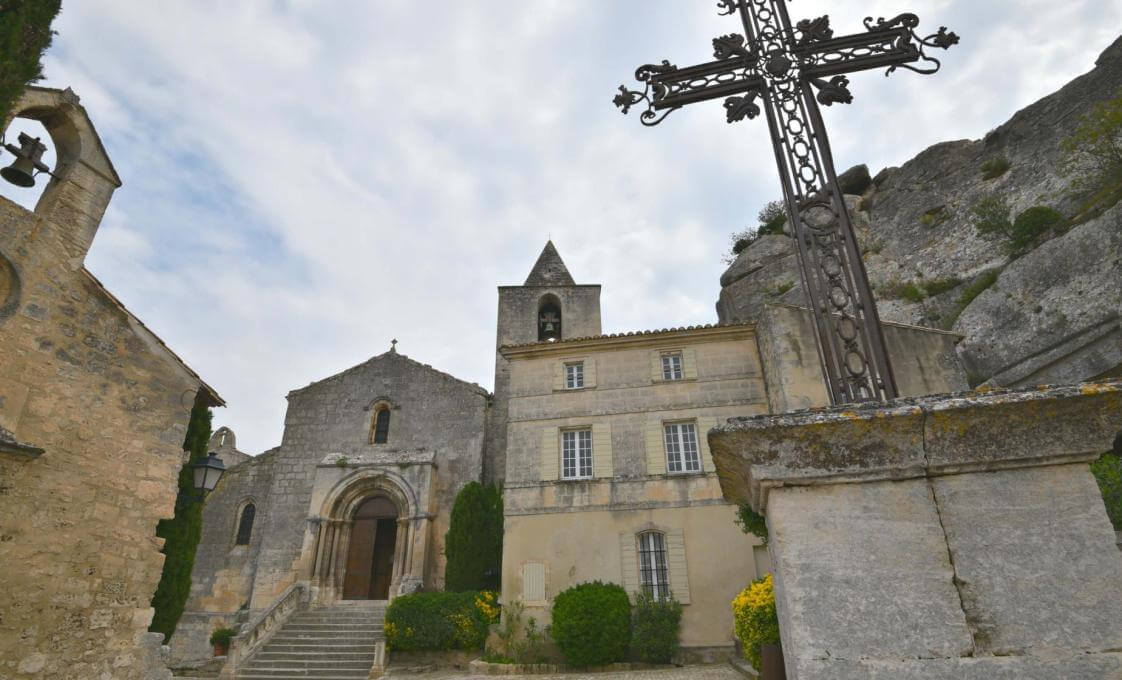
Discover the charm of Les Baux-de-Provence with a guided visit to a medieval castle, sweeping views of the Alpilles, and optional stops at local vineyards or cultural sites. Savor regional wines, explore historic landmarks, and enjoy an authentic Provencal experience tailored to your interests.
VoyagePro may earn a commission if you book through these links, at no extra cost to you.
Place photos are resized for display and cropped where needed.


