Port of Saint-Malo
The official regional port publishes Saint-Malo passenger facilities, harbour access, and maritime operating information.


Cruise planning
Use the timetable to see upcoming cruise ship calls, busy-day signals, ship counts, and port context alongside the guide, map, weather, and readiness tools.
Schedule note
Port schedules can change because of weather, berth availability, itinerary updates, and operational decisions. Verify important times with your cruise line or the port authority before travel.
Country, code, and on-shore essentials.
France
FRSML
48.650, -2.017
Hotel search loads here when you reach this section.
VoyagePro may earn a commission if you book through Expedia, at no extra cost to you.
Saint-Malo calls use harbour berths or anchorage and tenders according to vessel size, tides, and lock access.
Before going ashore, confirm the berth or tender point, local time, all-aboard deadline, and the meeting location for any independently booked transport or tour.
Dock or tender
Walkable
Independent exploration is practical only after confirming the exact berth or tender landing and protecting the ship return time. A practical independent sequence is to complete the nearest approved sights first, use confirmed transport for one farther choice, and return before the published ship deadline. Treat the ship return time as a hard deadline. Allow extra margin for gangway or tender procedures, traffic, weather, queues, and any call-specific security checks.
This port works best when the actual landing is confirmed first, the day is limited to one coherent local plan, and any farther choice has transport and return margin arranged in advance.
Best for
Needs extra planning when
This section draws on information from Port of Saint-Malo and City of Saint-Malo – tourism office.
Confirm the actual berth first—local access can change substantially between terminals.
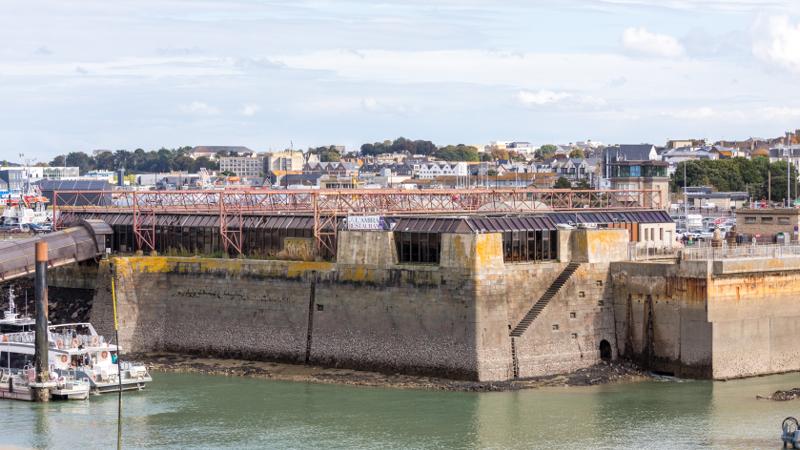
Confirm dock versus tender and the exact landing; Saint-Malo's large tidal range affects port operations.
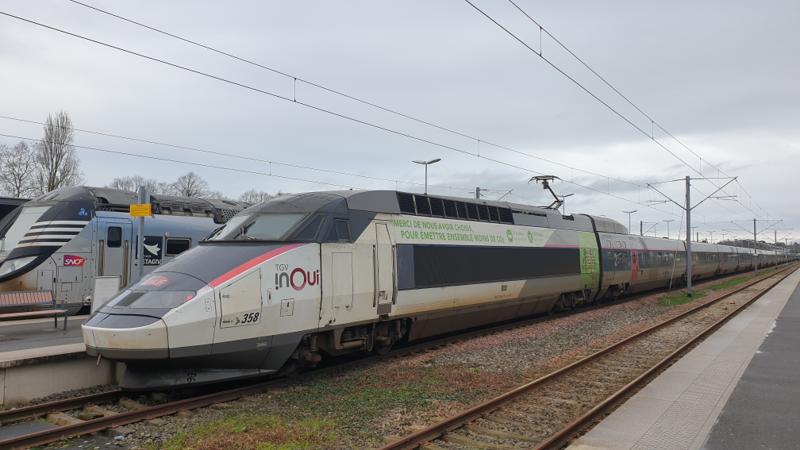
The walled city is local from central landings; Dinan, Cancale, and Mont-Saint-Michel require road transport. Start with the closest approved local area, then use only the transport modes identified here for any farther stop. Confirm the actual landing before committing to the route.
Do not assume a shuttle; use only a port or ship service announced for the exact berth or tender landing.
Use the marked passenger pickup area and prebook scarce or accessible vehicles for plans beyond the immediate waterfront. Shuttle or transfer context: Do not assume a shuttle; use only a port or ship service announced for the exact berth or tender landing. Confirm where the vehicle or shuttle can legally collect passengers, the return pickup point, and the last practical departure before leaving the passenger area.
This section draws on information from Port of Saint-Malo and City of Saint-Malo – tourism office.
A concise summary of useful details found in port, municipal, transport, terminal, and tourism material.
Port of Saint-Malo
The official regional port publishes Saint-Malo passenger facilities, harbour access, and maritime operating information.
City of Saint-Malo – tourism office
The City of Saint-Malo identifies the official tourism office serving the historic city; the port authority remains the source for terminal and call operations.
This section draws on information from Port of Saint-Malo and City of Saint-Malo – tourism office.
Start with the usable time you have ashore, then leave a comfortable return margin.
Quick call
Stay with the nearest approved local plan. Independent exploration is practical only after confirming the exact berth or tender landing and protecting the ship return time.
Half day
Use this as a menu rather than a checklist: Intra-Muros walls, harbour, beaches, Cancale, Dinan, and one regional excursion are the main choices. Choose one compact local cluster, or one transport-dependent regional objective when the call is long enough. Do not combine distant options unless the return is protected.
Long call
Choose one local cluster plus at most one transport-dependent objective. Treat the ship return time as a hard deadline. Allow extra margin for gangway or tender procedures, traffic, weather, queues, and any call-specific security checks.
This section draws on information from Port of Saint-Malo and City of Saint-Malo – tourism office.
Tendering may apply; tidal gangways, cobbles, ramparts, wind, and excursion distances require planning. Arrival-specific check: Confirm dock versus tender, the actual passenger exit, the gangway or boat-transfer method, and the assistance available for this call.
This section draws on information from Port of Saint-Malo and City of Saint-Malo – tourism office.
The walled city is local from central landings; Dinan, Cancale, and Mont-Saint-Michel require road transport.
Treat the ship return time as a hard deadline. Allow extra margin for gangway or tender procedures, traffic, weather, queues, and any call-specific security checks.
This section draws on information from Port of Saint-Malo and City of Saint-Malo – tourism office.
These answers use the reviewed operational fields above; check the linked source when a detail affects a booking or transfer.
Confirm dock versus tender and the exact landing; Saint-Malo's large tidal range affects port operations.
The walled city is local from central landings; Dinan, Cancale, and Mont-Saint-Michel require road transport. Start with the closest approved local area, then use only the transport modes identified here for any farther stop. Confirm the actual landing before committing to the route.
Do not assume a shuttle; use only a port or ship service announced for the exact berth or tender landing. Use the marked passenger pickup area and prebook scarce or accessible vehicles for plans beyond the immediate waterfront. Shuttle or transfer context: Do not assume a shuttle; use only a port or ship service announced for the exact berth or tender landing. Confirm where the vehicle or shuttle can legally collect passengers, the return pickup point, and the last practical departure before leaving the passenger area.
Independent exploration is practical only after confirming the exact berth or tender landing and protecting the ship return time. A practical independent sequence is to complete the nearest approved sights first, use confirmed transport for one farther choice, and return before the published ship deadline. Treat the ship return time as a hard deadline. Allow extra margin for gangway or tender procedures, traffic, weather, queues, and any call-specific security checks.
This section draws on information from Port of Saint-Malo and City of Saint-Malo – tourism office.
Guide review and sources
Operational details can change by berth, weather, and ship call. Confirm important arrangements before travel.
Choose a few places that fit your time ashore, then check access and transport before setting out.
The walled city is local from central landings; Dinan, Cancale, and Mont-Saint-Michel require road transport. Start with the closest approved local area, then use only the transport modes identified here for any farther stop. Confirm the actual landing before committing to the route.
Arrival location reference

Coastal landmark
A source-backed option to consider for a port day in Saint-Malo.
A source-backed option to consider for a port day in Saint-Malo. Check current access, opening hours, admission requirements, and reservations before setting out.
Plan local transport from the assigned terminal or landing rather than assuming this stop is walkable.
Local transport may be needed from the arrival point

Local landmark
A source-backed option to consider for a port day in Saint-Malo.
A source-backed option to consider for a port day in Saint-Malo. Check current access, opening hours, admission requirements, and reservations before setting out.
Treat this as a longer outing and protect the ship return with confirmed transport and a generous time margin.
Longer outing; confirmed transport recommended
Reviewed 2026-07-25. Location placement, transport, and attraction information retain separate sources so each can be checked and updated independently.
Choose an upcoming call and ship to turn the published schedule into a practical planning window.
Choose a call date
Choose your ship

Your selected call
Arrival
Not published
Departure
Not published
Scheduled window
Not published
Return checkpoint unavailable
A departure time has not been published for this ship. Confirm the official all-aboard time onboard before making plans ashore.
Guide match for this window
Confirm your ship's times, then choose one coherent local plan with a comfortable return margin.
Dates, ships, and times come from the currently published cruise-call records. Schedules can change, and passenger totals represent available ship-capacity data rather than a forecast of people going ashore.
Thrust out into the sea and bound to the mainland only by tenuous man-made causeways, romantic St-Malo has built a reputation as a breeding ground for phenomenal sailors. Many were fishermen, but others—most notably Jacques Cartier, who claimed Canada for Francis I in 1534—were New World explorers. Still others were corsairs, "sea dogs" paid by the French crown to harass the Limeys across the Channel: legendary ones like Robert Surcouf and Duguay-Trouin helped make St-Malo rich through their pillaging, in the process earning it the nickname "the pirates' city." The St-Malo you see today isn’t quite the one they called home because a weeklong fire in 1944, kindled by retreating Nazis, wiped out nearly all of the old buildings. Restoration work was more painstaking than brilliant, but the narrow streets and granite houses of the Vieille Ville were satisfactorily recreated, enabling St-Malo to regain its role as a busy fishing port, seaside resort, and tourist destination.
The ramparts that help define this city figuratively and literally are authentic, and the flames also spared houses along Rue de Pelicot in the Vieille Ville. Battalions of tourists invade this quaint part of town in summer, so arrive off-season if you want to avoid crowds.
Keep exploring
 eSIM for travellers
Use a GigSky travel eSIM for maps, messaging, and travel updates ashore. Choose a plan that covers the countries you will visit.
Land plans do not include at-sea coverage. Check destination coverage and phone compatibility before buying.
VoyagePro may earn a commission if you buy through this link, at no extra cost to you.
Explore tour options for your port day. Check the meeting point and return time against your ship’s schedule before booking.
Excursion listings are not connected for this port yet.
This does not mean Shore Excursions Group has no tours here. You can check their current options directly.
VoyagePro may earn a commission if you book through these links, at no extra cost to you.
Place photos are resized for display and cropped where needed.
