Stay in Rotterdam if you want to spend most of your shore day exploring rather than travelling between cities. Choose Amsterdam if you have a specific reason to go and the complete journey fits comfortably. A Rotterdam call does not need to become an Amsterdam excursion to feel like a worthwhile Netherlands visit.
Rotterdam's cruise terminal gives you a city-and-river starting point. That makes a local day particularly appealing when your cruise already includes several long transfers. You can build around architecture, a harbour experience or a leisurely meal instead of adding another intercity timetable to the holiday.
Start with the river, not a list of landmarks
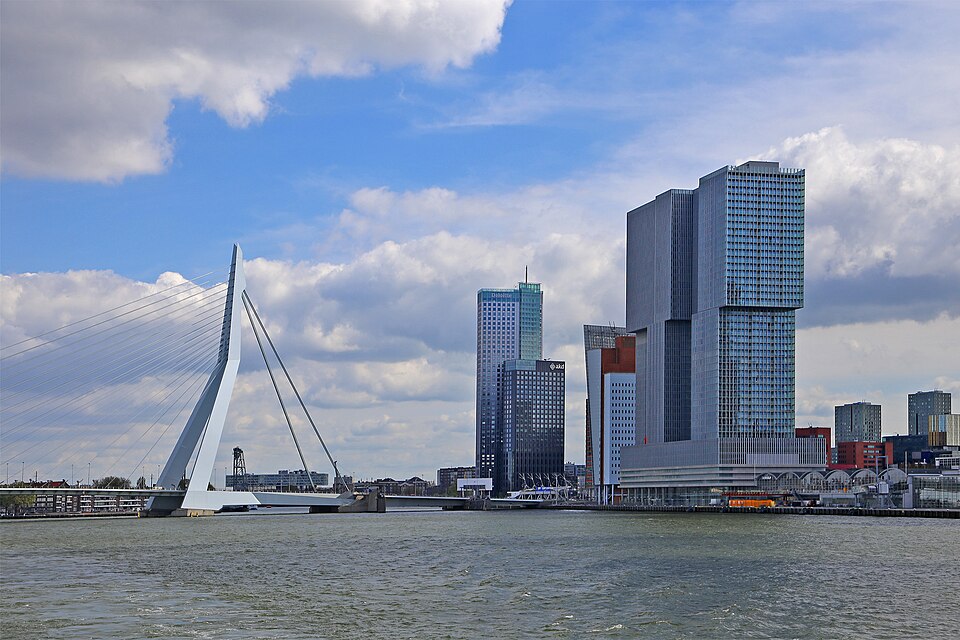
Rotterdam's cruise terminal is in the city on the Wilhelmina Pier. Use that location to shape your plan: decide which side of the river you want to explore first and where you will cross. Constantly returning across the river to reach disconnected stops wastes time even when each attraction looks close on a map.
For a maritime day, Rotterdam’s visitor guide describes Royal Spido’s 75-minute harbour tour past container terminals, the Euromast and ss Rotterdam. It offers a working-port perspective that an Amsterdam museum trip would not. Alternatively, the Maritime Museum explores how shipping affects daily life. Choose a boat for the port landscape or the museum for interpretation, then leave room for lunch rather than automatically reserving both.
A harbour trip also needs a precise departure point. The cruise terminal and a sightseeing boat's embarkation point are separate places. Read the operator's instructions and check how you will get between them. If a trip lasts an hour or two, add boarding time and the journey to the pier before comparing it with your shore window.
Use VoyagePro's port directory to put Rotterdam in the context of your itinerary. If the previous and following ports involve coach journeys, a locally focused day may offer more variety than another trip to a distant city.
What would Amsterdam add for you?
“Seeing Amsterdam” is too vague to evaluate. Identify the actual experience: a particular museum, a canal outing, a neighbourhood walk or meeting someone. Each has different timing requirements, and some can be enjoyed with more flexibility than others.
If you want a specific museum, establish admission availability before treating the rail journey as a solved plan. A convenient train is of little use if the only available entrance slot is too late. Conversely, buying a non-changeable ticket before checking terminal access and transport can leave you with an expensive deadline you cannot comfortably meet.
A transfer-only excursion may be suitable if you want independent city time, but check the drop-off and pickup locations. “Amsterdam on your own” does not mean the vehicle drops you at your chosen museum. You may still need local transport, a walk, a ticket queue and enough time to retrace the route.
| Your main aim | More promising starting plan | Tradeoff to accept |
|---|---|---|
| Explore a Dutch city without a long transfer | Rotterdam architecture and riverside time | You will not be visiting Amsterdam's specific attractions |
| Take a harbour sightseeing trip | Rotterdam with one reserved boat departure | You need to coordinate a second embarkation point |
| Visit one particular Amsterdam museum | Amsterdam with matched transport and admission | Less flexibility if either booking changes |
| Enjoy a relaxed lunch and neighbourhood walk | A compact Rotterdam route | Fewer famous-name stops, more time in each place |
Explore a Dutch city without a long transfer
- More promising starting plan
- Rotterdam architecture and riverside time
- Tradeoff to accept
- You will not be visiting Amsterdam's specific attractions
Take a harbour sightseeing trip
- More promising starting plan
- Rotterdam with one reserved boat departure
- Tradeoff to accept
- You need to coordinate a second embarkation point
Visit one particular Amsterdam museum
- More promising starting plan
- Amsterdam with matched transport and admission
- Tradeoff to accept
- Less flexibility if either booking changes
Enjoy a relaxed lunch and neighbourhood walk
- More promising starting plan
- A compact Rotterdam route
- Tradeoff to accept
- Fewer famous-name stops, more time in each place
Compare useful time rather than train time
For an independent Amsterdam trip, include terminal exit, travel to the departure station, waiting, the intercity journey, transport within Amsterdam and the complete return. Check the date-specific timetable and any planned works with the rail operator. Do not base the return on a journey planner's fastest theoretical connection.
Imagine a hypothetical eight-hour shore window. Suppose your combined terminal access, intercity travel and city connections take three hours, and you reserve another hour for return uncertainty. Four hours remain for sightseeing, food and any admission queue. This is an illustration of the calculation, not a current Rotterdam–Amsterdam journey estimate.
Now test your chosen experience against those four hours. A single museum and a meal might be a satisfying day. A museum, canal cruise and distant neighbourhood could spend more time in transit than you intended. Each extra booking reduces your ability to absorb a slow start.
Do the same exercise for Rotterdam. Local does not mean effortless. If you book a boat from one departure point and an attraction across the city, those connections still count. The advantage is the option to choose a compact route, not a promise that every local attraction is close to the ship.
Make a route with one optional branch
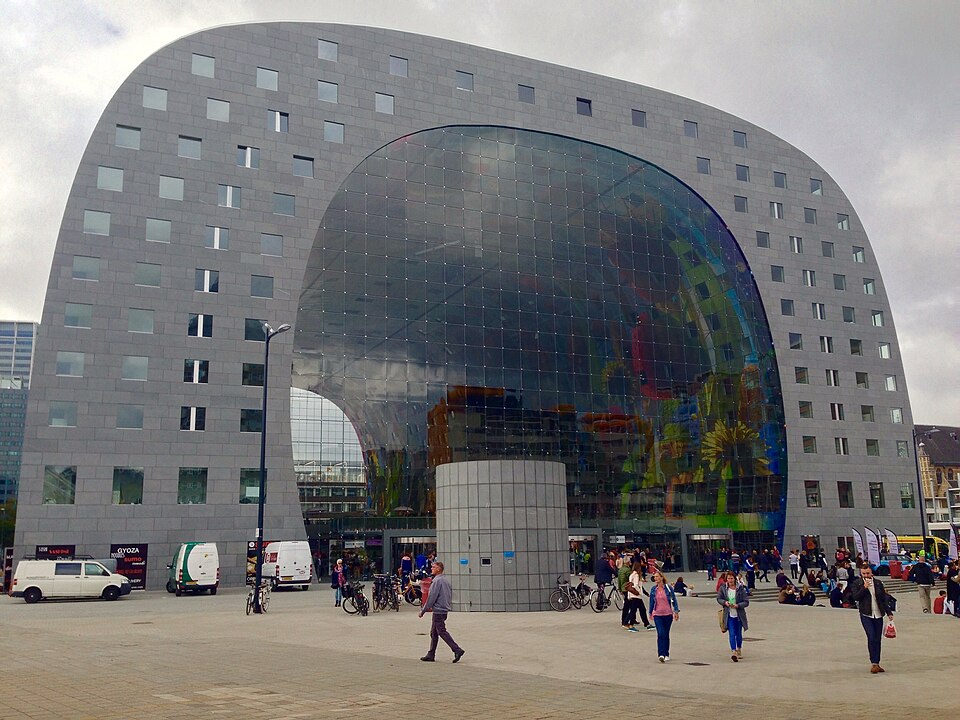
For a Rotterdam day, draw a simple sequence: terminal, main activity, meal, return. Add one optional stop near that sequence. If the weather is good and you have time, take the branch. If the main visit runs long, leave it out without losing money or disappointing the whole group.
Avoid building a route from the order in which attractions appear in a search result. Check the geography together. An appealing café can be a poor lunch choice if it sends you back over the same ground just before a timed visit elsewhere.
If architecture is your priority, decide whether you want to look at buildings from outside or enter a particular attraction. An exterior walk can be adapted to rain or tired legs. Admission creates an opening-hours and ticket question. Both can be good choices, but they produce different commitments.
For a sightseeing boat, check whether it is a round trip returning to the same pier or a transport service with different stops. Confirm the duration, boarding deadline, toilet arrangements and indoor seating if those matter. Do not assume a river journey includes the same industrial harbour areas as a longer port tour.
Plan for weather and different energy levels
Rain changes the appeal of an architecture walk more than it changes the distance. Have one indoor option in the same area, with its opening hours checked. Avoid a fallback that requires crossing the city and buying a ticket you have not investigated.
For a mixed group, choose a meeting point that does not require everyone to complete the same walk. One pair might linger over lunch while another continues to an extra stop. Agree a reunion time with room for the return to the terminal, and keep each person's ship access information available.
The return route deserves a deliberate choice even in the same city. If you use public transport outward, know how you will buy or validate the return journey. If you use a taxi, save the actual terminal name and address. A photograph of the ship is not a useful destination instruction for a driver on another street.
| Before leaving the ship | What to record |
|---|---|
| Main activity | Entrance or departure address, not only the attraction name |
| River crossing | Planned route and a practical alternative |
| Optional stop | A place close to the main route, with no essential reservation |
| Return | Target departure from your last stop and terminal access instructions |
| Weather change | One nearby indoor option or a shorter route |
Main activity
- What to record
- Entrance or departure address, not only the attraction name
River crossing
- What to record
- Planned route and a practical alternative
Optional stop
- What to record
- A place close to the main route, with no essential reservation
Return
- What to record
- Target departure from your last stop and terminal access instructions
Weather change
- What to record
- One nearby indoor option or a shorter route
Decide where the money improves the day
Use the real cruise cost checklist to compare the full excursion: intercity tickets or transfer, local transport, entry and meals. A distant day can still be excellent value if it delivers the experience you most want. It is less persuasive when the main reason for travelling is the belief that Rotterdam is only a gateway.
Keep any attraction or transport cancellation terms with the booking. Check what happens if the ship arrives late, changes berth or misses the port. Separate that from a provider's ordinary customer cancellation policy.
The port-time guide explains why advertised arrival and departure times are not your entire sightseeing window.
Choose Amsterdam with a clear purpose and a workable return. Choose Rotterdam with the same intention: one good experience, a sensible route and enough time to enjoy the city around it.